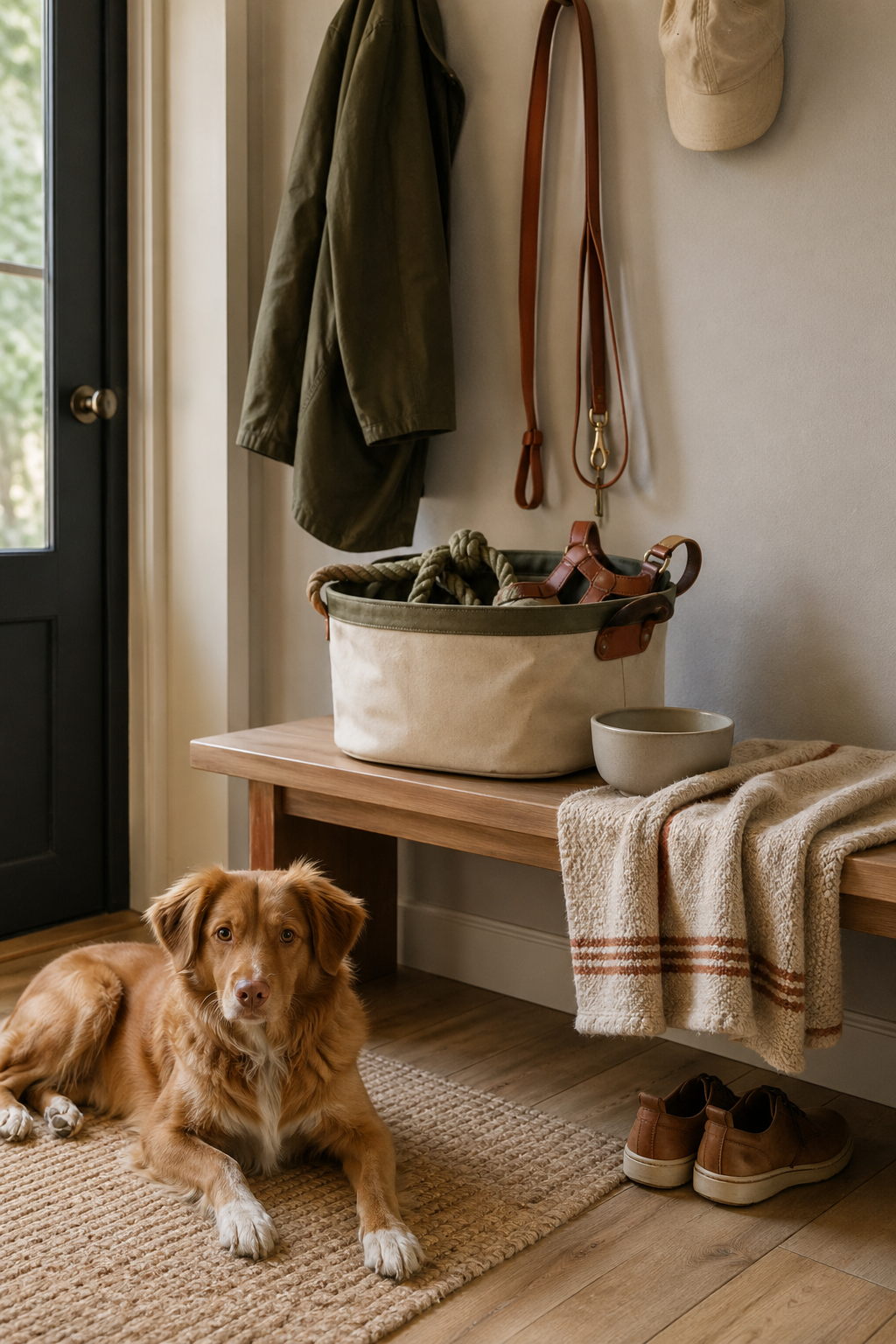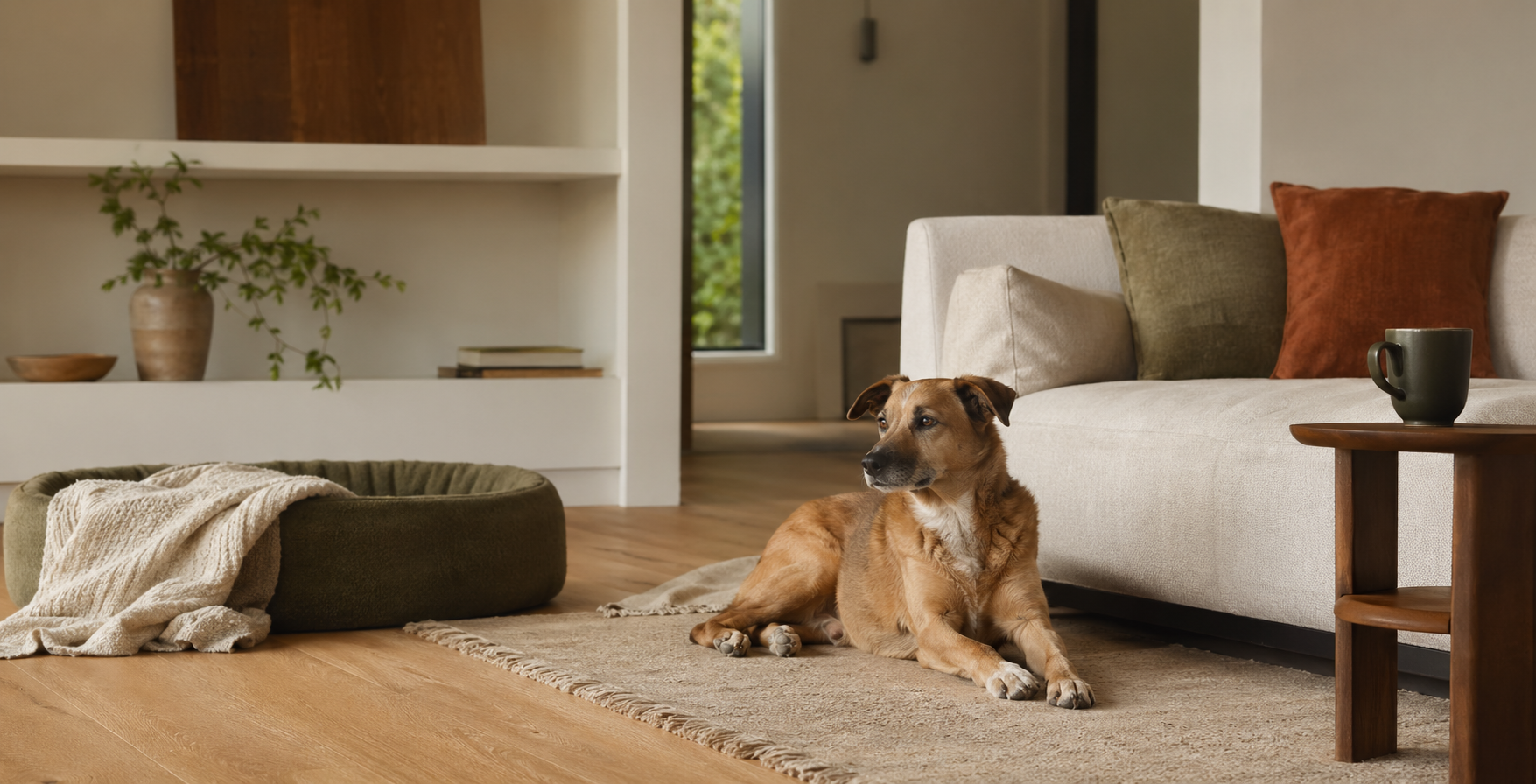
The apartment version of a dog bed guide is not really about the bed alone. It is about visual bulk, where the bed lands in the room, how often the cover needs washing, and whether the whole thing still feels acceptable after six straight weeks of daily use.
Start with footprint, not marketing
A bed that looks polished in a studio product photo can feel oversized the second it enters a real living room. For apartment buyers, footprint matters before aesthetics do. Measure the actual floor space where the bed will live, then work backward.
That often eliminates the puffier, overbuilt options right away. If a bed makes the room feel obstructed, it will not matter how durable it was supposed to be.
Washability is part of the design brief
The best-looking dog bed is still a bad buy if the cover is miserable to remove, holds odor, or starts looking tired after two wash cycles. Apartment products need to perform harder because they live closer to everything else.
Look for three things:
- A removable outer cover that goes back on without a wrestling match.
- Fabrics that hide fur and lint better than velvet or overly textured boucle.
- Shapes that do not sag into visual clutter after a month.
Lower profile wins more rooms
Low-profile beds generally feel easier to place than bulky bolsters unless the dog clearly needs the extra structure. In smaller homes, a quieter silhouette is often the better choice. It reads more like a soft landing zone and less like permanent gear sprawl.
The better question: bed or washable mat?
For many apartment dogs, especially younger or lighter dogs, a washable floor mat can outperform a conventional bed. It is easier to store, easier to launder, and less visually dominant.
That does not make it the right answer for every dog, but it is the right comparison to make before defaulting to the biggest padded option in the category.